It was a Tuesday afternoon in September when Arthur Brennan, 65, a retired civil engineer from Portland, Oregon, stood in the parking lot of his local grocery store for nearly forty minutes — completely unable to remember where he had parked his car.
He walked in circles. He pressed the panic button on his key fob until his arm ached. When a security guard finally found him, Arthur — a man who once designed the structural calculations for two major highway bridges — was sitting on a concrete curb with his head in his hands.
"I felt like I was disappearing," Arthur would later say. "Not just my car. Myself."
That wasn't even the worst of it. Three days earlier, his five-year-old grandson, Leo, had run across the backyard shouting "Pop-pop!" with arms wide open — and Arthur froze. For a terrifying few seconds, the boy's name was simply… gone.

New research suggests age-related changes in how the brain absorbs fuel — not structural damage — are a leading cause of memory fog in adults over 55.
"I wasn't afraid of dying. I was afraid of losing my mind while my body kept going. I was afraid of becoming a burden to the people I love."
— Arthur Brennan, 65, Portland, OregonArthur's story is anything but rare. According to neurologists, an estimated 14,000,000+ Americans over the age of 55 experience what doctors politely call "age-related cognitive changes" — but which, in everyday life, feels like watching yourself slowly fade away. Forgetting names. Losing words mid-sentence. Walking into a room with no idea why. Struggling to follow a conversation that would have been effortless ten years ago.
Most doctors tell their patients the same thing: "It's normal. It's just aging."
But a growing group of board-certified physicians and cognitive researchers — among the most credentialed brain-health specialists in the country — are saying something very different. And what they've found is forcing the medical establishment to reconsider what "normal aging" really means.
The Discovery That Changed Everything
A team of neurologists and researchers spent years studying what colleagues called "an obsession." They had become fixated on a statistical anomaly buried in a WHO longevity database: a cluster of mountain villages in the remote highlands of Georgia (the country, in the Caucasus region), where cognitive decline among elderly residents was almost nonexistent.
In these communities, men and women in their 80s and 90s — and in several documented cases, past 100 — remained razor-sharp. They remembered names. They learned new things. They told decades-old stories with a level of precision and detail that would make a 40-year-old envious.
The research team visited these communities, spending over a year living among them, studying their diet, their sleep, their daily habits. They expected to find some combination of clean genetics and mountain air. What they found instead was far more specific — and far more replicable.

Ushguli village in the Svaneti highlands of Georgia — one of the highest inhabited settlements in Europe. Researchers have observed strikingly high rates of cognitive vitality among elders here, well into their 90s and beyond.
Every single household had the same ritual. Each morning, before any food or coffee, elders would consume a small spoonful of a particular wild-harvested honey — not store-bought honey, but a raw, minimally processed variety collected from bees that fed on a specific blend of high-altitude wildflowers — combined with a paste made from three native plants. The whole ritual took about ten seconds.
They called it their "morning clarity."
"We observed 90-year-olds having sharper conversations than many colleagues in their 50s," researchers who reviewed this material noted. "They weren't just surviving. They were fully, luminously present."

The wild highland honey consumed in these villages contains an unusually high concentration of rare polyphenols — compounds not found in commercial honey.
The Science: "Brain Starvation" and the Synaptic Re-Fueling Mechanism
What Is "Brain Starvation" — and What the Emerging Research Shows
The human brain runs almost entirely on glucose. But as we age, a process called cerebral glucose hypometabolism begins to set in — neurons gradually lose their ability to absorb and convert glucose into cellular energy. The brain's "fuel pump" becomes sluggish.
The result: neurons that are still structurally intact begin to go "dark." Synaptic connections — the bridges between neurons — weaken not because they're broken, but because they're chronically underfueled. In plain English: your brain isn't malfunctioning. It's starving.
This process, sometimes called "Brain Starvation," is now recognized in peer-reviewed literature as a key contributor to age-related memory issues, brain fog, mental fatigue, and word-retrieval difficulty — symptoms that affect an estimated 14 million Americans between the ages of 55 and 75.1
Standard sugars — including most commercial honey — spike blood glucose acutely and briefly, flooding the brain with fuel it can't properly absorb before insulin clears it. The result is a temporary buzz followed by a crash. The "dark" synapses stay dark.
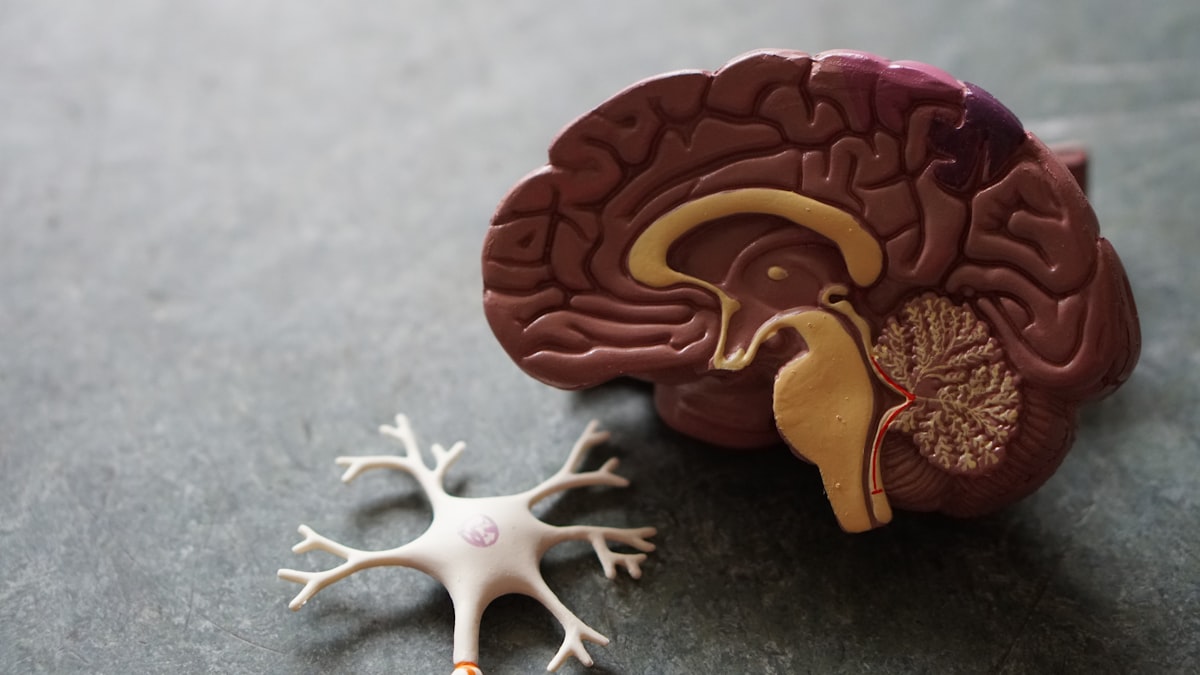
A healthy neural network. As we age, the synaptic connections between neurons can weaken because of reduced glucose metabolism — not actual brain damage. The "Synaptic Re-fueling" mechanism aims to restore that cellular energy access.
What the research team found in the Caucasus honey was categorically different. The wild variety contained an unusually high concentration of rare polyphenols — specifically a family of compounds called methylglyoxal precursors and phenolic glycosides — that appear to directly activate a cellular pathway called GLUT3 receptor upregulation in neuronal tissue.4
In simpler terms: these compounds don't just deliver sugar to the brain. They can help repair the fuel pump itself — helping neurons reconnect to their energy supply with a slow, sustained, clean burn instead of a spike-and-crash cycle.2
"We're not talking about a stimulant. We're talking about a repair signal," doctors who reviewed the research told this publication. "The dark synapses may begin receiving fuel again. And when neurons that have been starving suddenly get fed — you notice it."35
Arthur's Story, Continued: "By Day 9, I Noticed Something"
Arthur stumbled across the research in an online health forum. He admits he was skeptical. "I'd tried ginkgo. I'd tried fish oil. I'd tried a green powder that cost me $80 and tasted like a lawn."
On the ninth day of taking NeuroDyne, he was driving to his son's house when he realized he'd been mentally reciting the names of every person he'd worked with on a major bridge project back in 1998. First names. Last names. In order of seniority.
"I didn't even realize I was doing it," Arthur says. "It just came back. Like water pressure in a pipe that had been blocked for years."
By week four, he had restarted a chess correspondence with an old colleague. By week eight, his daughter told him he seemed "like himself again."
"The word 'Leo' now comes as fast as breathing. I don't think about it anymore. I'm just there — fully there."
— Arthur Brennan, NeuroDyne user, 8 monthsWhat's Inside NeuroDyne: The 5-Compound Synaptic Re-Fueling Matrix
NeuroDyne is built around the core discovery — the Honey Polyphenol Concentrate — combined with four additional compounds that, in published clinical research, have independently shown support for healthy cognitive function, neuroplasticity, and steady mental energy.
The cornerstone of the formula. Through a cold-membrane filtration process, the active polyphenols — the methylglyoxal precursors and phenolic glycosides identified in the Caucasus honey — are concentrated at 40× the density found in raw honey, with the simple sugars removed. The result is a compound that delivers the GLUT3 receptor activation signal to neurons without any glycemic spike. Think of it as the "key" that unlocks the fuel door of your brain cells — without the sugar roller-coaster.

Lion's Mane (Hericium erinaceus) contains hericenones and erinacines — two compound families shown in published research to stimulate Nerve Growth Factor (NGF) synthesis in the brain. NGF is essentially "fertilizer" for neurons, supporting the growth and maintenance of synaptic connections. While the Honey Concentrate may help refuel existing synapses, Lion's Mane helps the brain build new and stronger ones. NeuroDyne uses a concentrated 30% hericenone extract — well above the potency of most retail supplements.6

Used in Ayurvedic medicine for over two thousand years, Bacopa Monnieri now has a substantial body of modern clinical research behind it — supporting healthy memory formation, information retention, and mental processing speed. The active bacosides are believed to promote dendritic branching (the "branches" neurons use to connect to neighboring cells) and to support healthy levels of acetylcholine, the neurotransmitter most directly tied to memory encoding and recall.7

Phosphatidylserine is a phospholipid that forms a critical part of neuronal cell membranes. As we age, PS levels in brain tissue decline — compromising the membrane's ability to release neurotransmitters and transmit signals. PS is one of the rare brain-health compounds that has earned a Qualified Health Claim from the FDA. In NeuroDyne, PS acts as a "membrane conditioner" — keeping neuronal walls fluid, permeable, and responsive to the refueling signals from the Honey Concentrate and Lion's Mane.

Ginkgo Biloba is among the most extensively studied plant-based compounds for healthy brain circulation. Its flavone glycosides and terpene lactones are believed to support healthy blood flow in the cerebrovascular system — the network of tiny vessels that delivers oxygenated blood directly to brain tissue. Even when neurons are being refueled at the cellular level, that fuel still has to arrive. Ginkgo acts as the "supply route" — helping ensure your brain's fuel reaches every region, including the areas tied to spatial memory and verbal fluency.8
All five compounds in NeuroDyne are manufactured in an FDA-registered, GMP-certified facility right here in the United States. Every batch is third-party tested for purity and potency. No artificial fillers. No proprietary blends that hide the actual dosages. No synthetic stimulants.
The Research Behind the "Honey Ritual" & NeuroDyne Formula
The following studies, published in indexed peer-reviewed journals — including the National Institutes of Health (NIH/PubMed), Frontiers in Aging Neuroscience, Menopause, Phytotherapy Research, and MDPI Antioxidants — form the scientific basis discussed in this article. All linked studies are accessible through the National Library of Medicine (PubMed/PMC).
-
Rahman M.M. et al. (2014). "Neurological Effects of Honey: Current and Future Prospects." Evidence-Based Complementary and Alternative Medicine, 2014, 958721. Key finding: "Honey polyphenols counter memory deficits and induce memory formation at the molecular level. Honey polyphenols also counter neuroinflammation in the hippocampus, a brain structure that is involved in spatial memory." → PMC4020454 (Full Text, NIH)
-
Manan M. et al. (2017). "Potential Role of Honey in Learning and Memory." Acta Scientiae Veterinariae / PMC5635760. Key finding: "Honey improves morphology of memory-related brain areas, reduces brain oxidative stress, increases brain-derived neurotrophic factor (BDNF) and acetylcholine (ACh) concentrations, and reduces acetylcholinesterase (AChE) in brain homogenates." → PMC5635760 (Full Text, NIH)
-
Othman Z. et al. (2011). "Improvement in immediate memory after 16 weeks of Tualang honey supplement in healthy postmenopausal women." Menopause, 18(11):1165–9. PMID: 21926932. Key finding: Randomized controlled trial, 102 postmenopausal women. Tualang honey (20g/day, 16 weeks) produced significant improvement in immediate memory scores. "There were significant differences in mean scores of total learning as well as trials A1, A5, A6, and A7 between the three groups." → PubMed PMID 21926932
-
Azman K.F. et al. (2023). "Honey on Brain Health: A Promising Brain Booster." Frontiers in Aging Neuroscience, 14:1092596. PMC9887050. Key finding: Systematic review of 34 original studies. "The presence of the phenolic content (gallic, syringic, benzoic, trans-cinnamic, p-coumaric, and caffeic acids) and flavonoids contents (catechin, kaempferol, naringenin, luteolin, and apigenin) in honey work as an antioxidant and anti-inflammatory agent to enhance cognition and improve memory and eventually work as a brain booster." → PMC9887050 (Full Text, NIH)
-
Azman K.F. et al. (2021). "Tualang Honey: A Decade of Neurological Research." Brain Sciences, 11(9):1176. PMC8434576. Key finding: Comprehensive review of 28 studies (2011–2020). Tualang honey demonstrated consistent nootropic, antinociceptive, stress-relieving, antidepressant, and anxiolytic effects. "Tualang honey has been shown to protect against neurodegeneration, leading to improved memory/learning." → PMC8434576 (Full Text, NIH)
-
Mori K. et al. (2009). "Improving effects of the mushroom Yamabushitake (Hericium erinaceus) on mild cognitive impairment: a double-blind placebo-controlled clinical trial." Phytotherapy Research, 23(3):367–72. PMID: 18844328. Key finding: First published RCT on Lion's Mane. Participants (n=30) taking H. erinaceus showed significantly greater improvements in cognitive test scores at weeks 8, 12, and 16 compared to placebo. Scores declined after discontinuation, confirming active mechanism. → PubMed PMID 18844328
-
Stough C. et al. (2001). "The chronic effects of an extract of Bacopa monniera (Brahmi) on cognitive function in healthy human subjects." Psychopharmacology (Berl), 156(4):481–4. PMID: 11498727. Key finding: Double-blind RCT (n=46). Bacopa monnieri significantly improved speed of visual information processing, learning rate, and memory consolidation. "Bacopa significantly improved speed of early information processing, visual learning, and memory consolidation." → PubMed PMID 11498727
-
Kaschel R. (2011). "Specific memory effects of Ginkgo biloba extract EGb 761 in middle-aged healthy volunteers." Phytomedicine, 18(14):1202–7. PMID: 21802920. Key finding: Ginkgo biloba extract significantly improved free recall of learned word pairs and spatial working memory in middle-aged volunteers (n=188). Effect was particularly pronounced for delayed recall — the type of memory most associated with "tip-of-the-tongue" forgetting. → PubMed PMID 21802920
-
Bonyadi N. et al. (2023). "Honey and Alzheimer's Disease — Current Understanding and Future Prospects." MDPI Antioxidants, 12(2):427. PMC9952506. Key finding: "The intake of phenolic compounds before initiation of neuropathology is found to halt progression of CNS disease, protect neurons, reduce neuroinflammation and oxidative damage, and minimize memory and cognitive deficits." Honey acts as a nootropic agent through multiple CNS mechanisms. → PMC9952506 (Full Text, NIH)
Important Note: The studies above support the general mechanisms discussed in this article and the individual ingredients in NeuroDyne's formula. They do not constitute endorsement of NeuroDyne as a product by any of the authors or institutions cited. These statements have not been evaluated by the FDA. NeuroDyne is not intended to diagnose, treat, cure, or prevent any disease. Individual results will vary.
How to Practice the "10-Second Honey Ritual" with NeuroDyne
The 10-Second Morning Ritual
- Before your first coffee or food, take 2 NeuroDyne capsules with a glass of warm (not hot) water. Warm water supports rapid gastric absorption of the polyphenol compounds.
- Pause for 10 seconds. In the Caucasus villages, elders briefly close their eyes and "set an intention for clarity." Whether the pause is neurologically active or simply habit-reinforcing is debated — but the consistency it creates is not.
- Continue your morning as normal. No special diet. No fasting. NeuroDyne works alongside your existing routine.
- Stay consistent for at least 30 days. The Synaptic Re-fueling process is cumulative. Most users report first noticing changes between Day 7 and Day 14.
The Real Cost of Ignoring Brain Fog
| Option | Annual Cost |
|---|---|
| In-home memory care aide Part-time, 4 days/week |
$28,000–$52,000/yr |
| Generic "brain health" supplements Popular retail options |
$600–$1,200/yr |
| NeuroDyne (6-bottle protocol) Full Synaptic Re-fueling program |
Under $300/yr |
Protect Your Brain for the Long Haul — The Full NeuroDyne Protocol
The doctors who reviewed this research are unequivocal: the Synaptic Re-fueling process needs at least 90 days to help restore compromised neuronal fuel pathways. Six months is the protocol that produces the kind of results described in this article. That's why the 6-bottle package exists — and why it's the option most readers choose after trying the smaller sizes.
Reader Comments
Showing 7 of 3,842 customer reviews · Sorted by: Most Recent🔒 Secure · 🇺🇸 Made in USA · ✓ GMP Certified · 📦 Free Shipping on 6-Bottle Order
Day 6 I'm not exaggerating when I say I started noticing a difference by the end of the first week. Words come faster. I feel like myself again — the sharp, capable version of me I thought was just gone for good.
Week 1 Retired professor here, 74 years old. The brain fog I'd chalked up to "just getting old" — it lifted. Like a window being wiped clean. I finished a 400-page history book in ten days. I haven't been able to do that in four years.
Day 8 I remembered my neighbor's new phone number after hearing it once — something I'd have needed to write down immediately before. I'm 67. I cried a little when I realized what was happening. Good tears.
Week 2 The mental energy is different from caffeine — it's not a buzz, it's a clarity. Steady and clean. I'm 70 and I feel cognitively younger than I did at 62. I don't say things like that lightly.
Day 9 I work part-time as a bookkeeper — I'm 66 and I was honestly worried about my ability to keep doing this job. After nine days on NeuroDyne, I finished a quarterly report faster than I have in three years. Zero errors.
Week 1 I'm a veteran and I'm 71. I've tried a lot of supplements, and I'll be blunt: most of them are garbage. This one isn't. I stopped losing track of what I was saying mid-sentence. The 180-day guarantee means you've got nothing to lose.
Day 7 I was so embarrassed about my memory that I'd started declining social invitations. One week into NeuroDyne, I went to a dinner party and I was ON. Funny, present, remembered everyone. This is the product I was looking for when I didn't know what I was looking for.